What is the asset disposal procedure?
Managing the disposal of end-of-life IT equipment requires a systematic, well-documented approach to protect sensitive data, ensure regulatory compliance, and maximise value recovery. Whether you’re an IT administrator handling routine equipment refreshes, an office manager coordinating facility moves, or a procurement team managing asset lifecycles, understanding the proper disposal procedure is essential for protecting your organisation from security breaches, compliance violations, and environmental liabilities.
This comprehensive guide provides a detailed, step-by-step procedure for IT asset disposal, covering everything from initial assessment and planning through final documentation and reporting. Without proper protocols in place, organisations risk massive fines and damage to their company’s reputation, making a robust disposal procedure absolutely critical for business success.
- Understanding IT Asset Disposal Procedures
- Phase 1: Pre-Disposal Planning and Assessment
- Phase 2: Asset Inventory and Documentation
- Phase 3: Data Backup and Migration
- Phase 4: Secure Data Destruction
- Phase 5: Asset Evaluation and Sorting
- Phase 6: Disposal Execution and Processing
- Phase 7: Documentation and Compliance
- Implementation Best Practices
Table of Contents
Understanding IT Asset Disposal Procedures
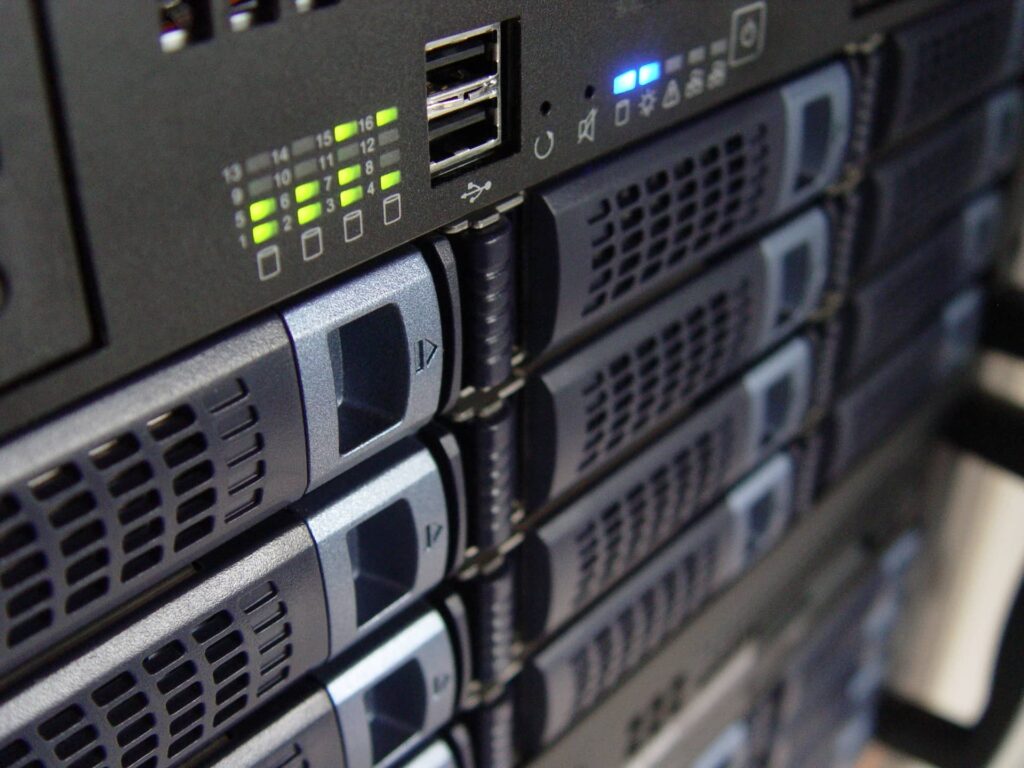
An IT asset disposal procedure is a systematic framework that guides organisations through the secure, compliant, and environmentally responsible retirement of end-of-life technology equipment. An effective IT asset disposal policy outlines each stage of the disposal process: inventory and classification, data sanitisation, physical destruction, recycling or resale, and documentation.
Key Components of Effective Procedures
A comprehensive disposal procedure encompasses several critical elements:
- Risk Assessment: Identifying potential security, compliance, and environmental risks
- Data Security: Ensuring complete and verifiable data destruction
- Regulatory Compliance: Meeting GDPR, WEEE, and industry-specific requirements
- Environmental Responsibility: Following sustainable disposal practices
- Value Recovery: Maximising financial returns through resale and recycling
- Documentation: Maintaining comprehensive audit trails
Why Structured Procedures Matter
Without a strict policy on IT asset disposition in place, it is difficult to ensure transparency and accountability in how you deal with your end-of-life IT assets. Benefits of structured procedures include:
- Reduced risk of data breaches and security incidents
- Consistent compliance with regulatory requirements
- Improved cost management and value recovery
- Enhanced environmental sustainability
- Better audit readiness and documentation
- Streamlined operations and reduced administrative burden
For comprehensive disposal solutions that follow industry best practices, explore our professional IT asset disposal services.
Phase 1: Pre-Disposal Planning and Assessment
Effective IT asset disposal begins with thorough planning and risk assessment to establish the foundation for secure and compliant disposal activities.
Step 1.1: Conduct Risk Assessment
Before disposing of IT assets, a Risk Assessment is a must. This step is about identifying what could go wrong and making sure you have the right measures in place to prevent it. Key considerations include:
- Data sensitivity classification: Categorising information by confidentiality levels
- Regulatory requirements: Identifying applicable compliance obligations
- Security vulnerabilities: Assessing potential exposure points
- Environmental risks: Understanding hazardous material handling requirements
- Financial implications: Evaluating disposal costs and value recovery opportunities
Step 1.2: Establish Disposal Policies
Develop comprehensive policies that define:
- Asset classification criteria: Categories based on data sensitivity and type
- Disposal methods: Appropriate techniques for different asset types
- Approval processes: Required authorisations for disposal decisions
- Vendor requirements: Criteria for selecting certified disposal partners
- Documentation standards: Record-keeping requirements for compliance
Step 1.3: Select Certified Disposal Partners
Look for a company that offers to pick up and destroy data right at your place of business. It’s one of the most secure options there is. Essential partner criteria include:
- Security certifications: NAID AAA, ISO 27001, and industry-specific credentials
- Environmental compliance: R2v3, e-Stewards, and WEEE certification
- Insurance coverage: Adequate liability protection for disposal activities
- Chain of custody protocols: Documented tracking and accountability measures
- Reporting capabilities: Comprehensive documentation and certificate provision
Our certified secure data destruction services meet all industry standards for safe and compliant disposal.
Phase 2: Asset Inventory and Documentation
Comprehensive asset identification and documentation form the foundation of effective disposal procedures.
Step 2.1: Complete Asset Inventory
- Hardware assets: Computers, servers, networking equipment, storage devices
- Mobile devices: Smartphones, tablets, laptops, and accessories
- Peripherals: Printers, scanners, monitors, and input devices
- Storage media: Hard drives, backup tapes, USB devices, and optical media
- Software licences: Applications, operating systems, and subscription services
Step 2.2: Document Asset Details
Record all serial numbers of processed and destroyed items for audit and accountability purposes. Essential documentation includes:
- Asset identification: Serial numbers, model numbers, and asset tags
- Technical specifications: Capacity, configuration, and performance details
- Location tracking: Current location and assigned user information
- Condition assessment: Functional status and physical condition
- Data classification: Sensitivity level and retention requirements
- Value estimation: Potential resale or recovery value
Step 2.3: Create Disposal Schedule
Develop a timeline that considers:
- Business continuity requirements and operational impact
- Replacement equipment delivery and deployment schedules
- User training and transition timelines
- Vendor availability and disposal capacity
- Compliance deadlines and regulatory requirements
Phase 3: Data Backup and Migration
Before any disposal activities begin, ensure all required data is properly preserved and transferred.
Step 3.1: Identify Data for Preservation
Conduct a comprehensive data assessment to identify:
- Business-critical data: Essential operational information requiring preservation
- Regulatory data: Information subject to retention requirements
- User data: Personal files and settings requiring migration
- Application data: Databases, configurations, and customisations
- System data: Logs, security settings, and operational information
Step 3.2: Execute Secure Backup
Implement robust backup procedures:
- Multiple backup copies: Primary and secondary backups for redundancy
- Verification testing: Confirming backup integrity and completeness
- Encryption protection: Securing backup data during storage and transport
- Access controls: Limiting backup access to authorised personnel
- Documentation: Recording backup contents and restoration procedures
Step 3.3: Complete Data Migration
Transfer data to new systems or storage:
- Migrate user profiles and settings to replacement systems
- Transfer business data to appropriate storage solutions
- Update system configurations on new equipment
- Test data accessibility and functionality post-migration
- Validate data integrity and completeness
Phase 4: Secure Data Destruction
Data destruction is the most critical phase of the disposal procedure, requiring certified methods to ensure complete data elimination.
Step 4.1: Assess Data Destruction Requirements
- Data sensitivity levels: Determining appropriate destruction methods
- Regulatory requirements: Meeting industry-specific destruction standards
- Asset types: Selecting suitable techniques for different devices
- Security policies: Following organisational data protection requirements
- Cost considerations: Balancing security needs with budget constraints
Step 4.2: Implement Data Destruction Methods
Deploy appropriate destruction techniques based on asset type and security requirements:
- Software-based wiping: Multiple-pass overwriting using certified tools
- Cryptographic erasure: Destroying encryption keys to render data unreadable
- Degaussing: Magnetic field disruption for tape and disk media
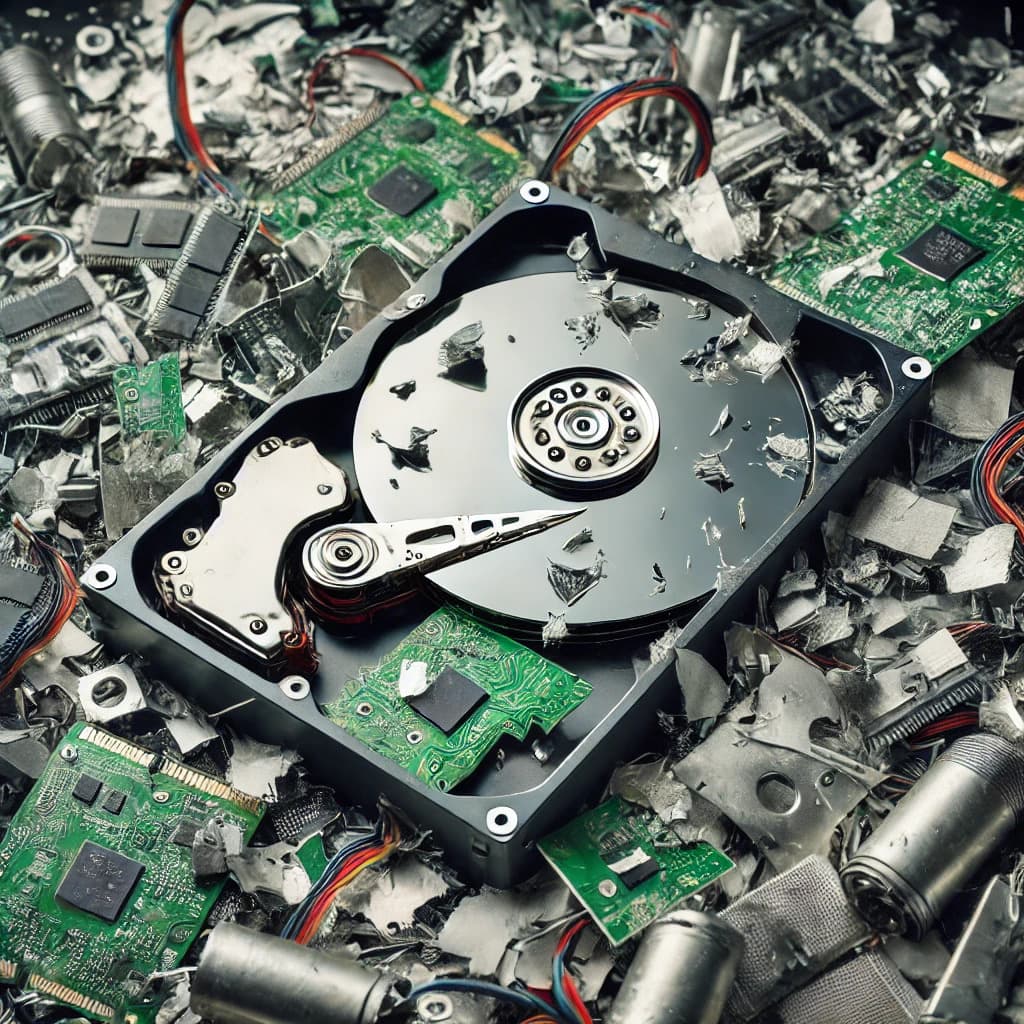
- Physical destruction: Shredding, crushing, or disintegration of storage devices
- Incineration: Complete thermal destruction for highly sensitive data
Step 4.3: Verify Destruction Completeness
Confirm successful data elimination through:
- Post-destruction scanning and verification testing
- Independent verification by certified technicians
- Documentation of destruction methods and results
- Quality assurance checks and audit procedures
- Certificate generation for compliance purposes
Our comprehensive secure data destruction services use industry-certified methods to ensure complete data elimination.
Phase 5: Asset Evaluation and Sorting
After secure data destruction, evaluate assets to determine the most appropriate disposal route for each item.
Step 5.1: Conduct Condition Assessment
Evaluate each asset’s physical and functional condition:
- Functional testing: Assessing operational capability and performance
- Physical inspection: Checking for damage, wear, and cosmetic condition
- Age analysis: Considering technological obsolescence and market value
- Component evaluation: Identifying valuable parts for harvesting
- Market research: Determining resale potential and pricing
Step 5.2: Determine Disposal Routes
Global levels of e-waste are increasing year on year, which is why it’s so important that, as part of the ITAD process, businesses explore all options, besides simple disposal. Available options include:
- Resale: Marketing functional equipment through certified channels
- Donation: Contributing working equipment to charitable organisations
- Refurbishment: Restoring assets for continued use
- Parts harvesting: Recovering valuable components for reuse
- Material recycling: Processing materials for manufacturing new products
- Certified destruction: Secure disposal for assets beyond recovery
Step 5.3: Sort Assets by Disposal Method
Organise assets into categories for efficient processing:
- Group similar assets for batch processing
- Segregate hazardous materials requiring special handling
- Separate high-value items for detailed evaluation
- Organise by disposal timeline and priority
- Prepare appropriate packaging and labelling
Maximise value recovery through our professional IT hardware buyback programme whilst ensuring secure disposal.
Phase 6: Disposal Execution and Processing
Execute the planned disposal activities with proper security, tracking, and environmental controls.
Step 6.1: Prepare Assets for Transport
Ensure secure preparation and packaging:
- Secure packaging: Using appropriate containers and protective materials
- Asset labelling: Clear identification and tracking labels
- Documentation preparation: Manifests, certificates, and shipping paperwork
- Security sealing: Tamper-evident seals and security measures
- Transport coordination: Scheduling with certified transport providers
Step 6.2: Maintain Chain of Custody
From the moment of collection, you should track and document IT assets to maintain an unbroken chain of custody. Essential elements include:
- Asset tracking: Continuous monitoring from collection to final disposition
- Custody documentation: Detailed records of asset possession and transfer
- Security protocols: Authenticated personnel and secure transport methods
- Real-time monitoring: GPS tracking and status updates throughout the process
- Audit trail maintenance: Complete documentation for compliance verification
Step 6.3: Execute Disposal Activities
Process assets according to predetermined disposal routes:
- Resale processing: Preparing and marketing assets for secondary markets
- Donation coordination: Transferring assets to approved charitable organisations
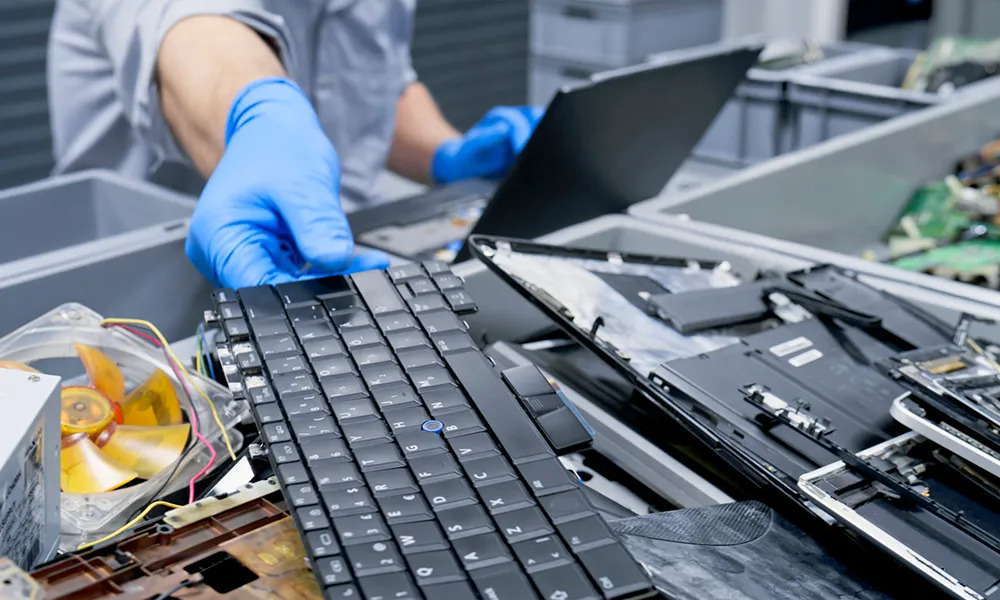
- Recycling operations: Breaking down materials for reprocessing
- Parts recovery: Extracting valuable components for reuse
- Final destruction: Secure disposal of assets beyond recovery
Our comprehensive WEEE recycling services ensure environmentally compliant processing of all electronic waste.
Phase 7: Documentation and Compliance
Complete the disposal procedure with thorough documentation and compliance verification.
Step 7.1: Collect Disposal Certificates
Once the items are destroyed, get the certificate of destruction. You need this paperwork to prove you did everything correctly. Required documentation includes:
- Certificate of Data Destruction: Verified proof of secure data elimination
- Certificate of Recycling: Documentation of environmental compliance
- Chain of Custody Records: Complete tracking documentation
- Asset Disposition Summary: Detailed report of disposal outcomes
- Environmental Impact Report: Sustainability metrics and achievements
Step 7.2: Update Asset Records
Complete asset management system updates:
- Asset status changes: Marking assets as disposed or retired
- Financial adjustments: Updating asset values and depreciation
- Licence management: Cancelling software licences and subscriptions
- Inventory reconciliation: Confirming asset removal from active inventory
- Documentation archival: Storing disposal records for future audits
Step 7.3: Conduct Compliance Review
Verify adherence to all requirements:
- Regulatory compliance: Confirming adherence to GDPR, WEEE, and industry regulations
- Policy compliance: Verifying alignment with organisational procedures
- Documentation completeness: Ensuring all required records are available
- Audit readiness: Preparing for potential regulatory or internal audits
- Lessons learned: Identifying improvements for future disposal activities
Step 7.4: Generate Final Reports
Create comprehensive documentation packages:
- Executive summary of disposal activities and outcomes
- Detailed asset inventory and disposition records
- Financial summary of costs, revenues, and savings
- Environmental impact assessment and sustainability metrics
- Compliance verification and audit documentation

Implementation Best Practices
Successfully implementing IT asset disposal procedures requires attention to planning, execution, and continuous improvement.
Organisational Preparation
Establish strong foundations for procedure implementation:
- Executive sponsorship: Securing leadership support and resource allocation
- Cross-functional teams: Involving IT, legal, finance, and environmental specialists
- Staff training: Educating personnel on procedures and responsibilities
- Technology tools: Implementing asset management and tracking systems
- Vendor relationships: Building partnerships with certified disposal providers
Process Optimisation
Technology and regulations are constantly evolving. Regular policy reviews—at least annually—help keep your processes current. Key optimisation strategies include:
- Automation opportunities: Streamlining routine tasks and documentation
- Batch processing: Grouping similar assets for efficiency gains
- Scheduling optimisation: Coordinating disposal activities with business cycles
- Cost management: Balancing security requirements with budget constraints
- Performance metrics: Tracking key indicators for continuous improvement
Quality Assurance
Maintain high standards throughout the disposal process:
- Regular audits: Internal and external verification of procedures
- Vendor oversight: Monitoring disposal partner performance and compliance
- Documentation reviews: Ensuring completeness and accuracy of records
- Compliance monitoring: Staying current with regulatory changes
- Continuous improvement: Incorporating lessons learned and best practices
Risk Management
Proactively address potential challenges:
- Contingency planning: Preparing for disposal delays or complications
- Security monitoring: Continuous oversight of asset security and data protection
- Compliance validation: Regular verification of regulatory adherence
- Vendor backup: Alternative disposal partners for business continuity
- Insurance coverage: Adequate protection for disposal-related risks

The IT asset disposal procedure is a critical business process that requires careful planning, systematic execution, and thorough documentation to protect organisations from security, compliance, and environmental risks. By following the comprehensive seven-phase procedure outlined in this guide, organisations can ensure secure data destruction, regulatory compliance, and sustainable disposal practices whilst maximising value recovery from retiring assets.
Remember that effective disposal procedures are not one-time activities but ongoing processes that require continuous attention, improvement, and adaptation to changing business needs and regulatory requirements. Regular review and optimisation of your disposal procedures will help ensure they remain effective, efficient, and compliant over time.
Success in IT asset disposal depends on combining robust procedures with qualified partners who can provide the expertise, certifications, and capabilities needed to handle complex disposal requirements safely and compliantly. By investing in proper procedures and partnerships, organisations can transform potential liabilities into strategic advantages whilst protecting their data, reputation, and future success.
Ready to implement a robust IT asset disposal procedure? Start by reviewing your current practices, identifying improvement opportunities, and partnering with certified professionals who can support your disposal requirements with the highest standards of security and compliance.
Green Retech Recycling provides end-to-end support for IT asset disposal procedures with certified data destruction, comprehensive WEEE recycling, and professional value recovery services. Our experienced team follows industry best practices to ensure secure, compliant, and sustainable disposal outcomes. Contact us today to discuss implementing a robust disposal procedure for your organisation’s IT assets.