What are the 5 stages of asset management?
Understanding the complete lifecycle of IT assets is crucial for maximising return on investment, ensuring data security, and maintaining operational efficiency. Whether you’re an IT manager overseeing a complex infrastructure, an operations team planning technology upgrades, or a business owner looking to optimise asset utilisation, mastering the five stages of asset management will help you reduce costs, minimise risks, and achieve sustainable growth.
With businesses often managing more IT assets than employees, a structured approach to asset lifecycle management has become essential for modern organisations. This comprehensive guide will walk you through each stage, from initial planning to secure disposal, providing actionable insights for maximising the value of your IT investments.
- Understanding IT Asset Lifecycle Management
- Stage 1: Planning and Procurement
- Stage 2: Deployment and Implementation
- Stage 3: Utilisation and Operations
- Stage 4: Maintenance and Optimisation
- Stage 5: Disposal and Retirement
- Best Practices for Implementation
- Maximising ROI Across All Stages
Table of Contents
Understanding IT Asset Lifecycle Management
IT Asset Lifecycle Management (ITALM) is the structured process of managing an organisation’s IT assets – from procurement to disposal – to ensure maximum efficiency, cost-effectiveness, and security. This comprehensive approach covers hardware, software, cloud resources, and digital infrastructure throughout their entire operational lifespan.
Effective asset lifecycle management provides numerous benefits including cost optimisation, enhanced security, regulatory compliance, and improved operational efficiency. Through ITAM, businesses can minimise the overall lifetime cost of assets, minimise IT-related risks and improve operations.
Why Asset Management Stages Matter
A structured lifecycle approach prevents common pitfalls such as:
- Asset sprawl and cost waste: Untracked IT assets leading to unnecessary purchases and increased maintenance costs
- Security vulnerabilities: Unmonitored devices create entry points for cyber threats
- Compliance violations: Failure to meet regulatory requirements throughout asset lifecycles
- Operational disruptions: Outdated or unpatched systems are causing productivity losses

Stage 1: Planning and Procurement
The first stage establishes the foundation for successful asset management by identifying needs, setting budgets, and acquiring the right assets for your organisation.
Strategic Planning Phase
At this stage, organisations develop their requirements for new assets, including careful evaluation of existing assets and how they’ve been used. This comprehensive assessment should consider:
- Business requirements analysis: Understanding current and future operational needs
- Technology gap assessment: Identifying deficiencies in existing infrastructure
- Budget forecasting: Determining financial resources available for asset acquisition
- Vendor evaluation: Researching and comparing potential suppliers
- Sustainability planning: Considering environmental impact and disposal options from the outset
For organisations planning comprehensive IT upgrades, consider our IT equipment recycling services to manage the transition from old to new assets responsibly.
Procurement Best Practices
IT professionals will also remove any data from equipment, whether they are sold or recycled, to avoid any information leaks, making early planning for disposal critical. Key procurement considerations include:
- Standardisation: Selecting consistent models and configurations to reduce complexity
- Volume purchasing: Leveraging economies of scale for cost reduction
- Lifecycle cost analysis: Evaluating total cost of ownership, not just initial purchase price
- Compatibility assessment: Ensuring new assets integrate with existing systems
- Support and warranty terms: Negotiating favourable maintenance and support agreements
When planning asset procurement, consider the end-of-life value recovery potential through our IT hardware buyback programme to offset future replacement costs.
Documentation and Tracking Setup
Establish comprehensive asset tracking from day one:
- Create unique asset identifiers and tags
- Document specifications, warranties, and support agreements
- Set up asset management systems for ongoing tracking
- Define roles and responsibilities for asset oversight
Stage 2: Deployment and Implementation
Once assets are acquired, they must be properly configured, installed, and integrated into your existing IT environment.
Pre-Deployment Preparation
Successful deployment requires thorough preparation:
- Configuration planning: Determining optimal settings for your environment
- Security setup: Implementing appropriate security controls and access permissions
- Integration testing: Ensuring compatibility with existing systems
- User provisioning: Setting up accounts and access rights
- Documentation creation: Developing user guides and operational procedures
Implementation Process
Proper deployment includes software installation, user access provisioning, and security configurations to ensure compliance with organisational policies. Key implementation steps include:
- Phased rollout: Implementing assets in manageable groups to minimise disruption
- User training: Ensuring staff can effectively utilise new assets
- Performance monitoring: Tracking initial performance metrics and user feedback
- Issue resolution: Addressing deployment challenges promptly
- Asset registration: Updating asset management systems with deployment details
Quality Assurance and Validation
Verify successful deployment through:
- Functionality testing to ensure all features work correctly
- Security validation to confirm proper access controls
- Performance benchmarking against expected metrics
- User acceptance testing to validate business requirements

Stage 3: Utilisation and Operations
The utilisation stage makes up the bulk of an ITAM lifecycle; it’s simply when the asset is put to its intended use. During this stage, assets should be improving operations and contributing to revenue generation.
Operational Management
Effective utilisation requires ongoing operational oversight:
- Performance monitoring: Continuously tracking asset performance and efficiency
- Usage analytics: Understanding how assets are being utilised across the organisation
- Licence management: Ensuring software compliance and optimising licence usage
- Access control: Managing user permissions and security protocols
- Resource allocation: Optimising asset distribution based on business needs
Value Maximisation
During the utilisation phase, focus on extracting maximum value:
- Utilisation optimisation: Ensuring assets are used to their full potential
- Cross-departmental sharing: Facilitating asset sharing where appropriate
- Upgrade planning: Preparing for future enhancements or replacements
- Training programmes: Ongoing education to improve user proficiency
Continuous Monitoring
Implement systems for ongoing oversight:
- Regular performance audits and assessments
- User satisfaction surveys and feedback collection
- Security monitoring and vulnerability management
- Compliance tracking and reporting
Throughout the utilisation phase, maintain awareness of asset performance to inform future IT asset disposal decisions and replacement planning.
Stage 4: Maintenance and Optimisation
Preventative Maintenance
Proactive maintenance strategies help extend asset lifecycles and prevent costly failures:
- Scheduled maintenance: Regular servicing based on manufacturer recommendations
- Software updates: Timely application of patches and security updates
- Hardware cleaning: Physical maintenance to prevent dust and debris issues
- Performance tuning: Optimising configurations for peak performance
- Backup procedures: Regular data backups to prevent loss
Upgrade and Enhancement
Strategic improvements during the maintenance phase:
- Hardware upgrades: Adding memory, storage, or other components as needed
- Software enhancements: Implementing new features or capabilities
- Security hardening: Strengthening security measures and protocols
- Integration improvements: Enhancing connectivity with other systems
Performance Optimisation
Regular maintenance, implementation of necessary updates, and continuous monitoring are all vital at this stage. Focus areas include:
- Regular performance reviews and benchmarking
- Capacity planning and resource allocation
- Troubleshooting and issue resolution
- User support and training updates
Proper maintenance extends asset lifecycles and delays the need for disposal. When assets do reach end-of-life, our comprehensive IT asset disposal services ensure secure and compliant retirement.
Stage 5: Disposal and Retirement
The final stage of asset management involves the secure, compliant, and environmentally responsible disposal of end-of-life assets. This critical phase, known as IT Asset Disposal (ITAD), requires careful planning and execution to protect data, comply with regulations, and recover value where possible.
Asset Retirement Planning
With regular monitoring, IT teams can plan for this part of an asset’s life cycle and identify when asset replacement is required. Key planning considerations include:
- End-of-life assessment: Determining when assets no longer meet operational requirements
- Data backup and migration: Ensuring critical data is preserved and transferred
- Replacement planning: Coordinating new asset acquisition with retirement schedules
- Disposal method selection: Choosing appropriate disposal routes based on asset condition and value
Secure Data Destruction
Data security is paramount during disposal. Our comprehensive data destruction services ensure complete data elimination through certified methods:
- Data erasure: Using certified software to overwrite data multiple times
- Physical destruction: Hard drive shredding or crushing for maximum security
- Degaussing: Magnetic field disruption for tape and disk media
- Cryptographic erasure: Destroying encryption keys to render data unreadable
Asset Disposition Options
Evaluate each asset to determine its condition and potential for reuse, refurbishment, or resale. Available options include:
- Resale: Marketing functional equipment through our IT hardware buyback programme
- Donation: Contributing working equipment to charitable organisations
- Refurbishment: Restoring assets for continued use in different applications
- Recycling: Processing materials through WEEE-compliant recycling
- Destruction: Secure destruction for assets beyond recovery
Compliance and Documentation
Proper disposal requires adherence to multiple regulations:
- GDPR compliance: Ensuring secure deletion of personal data
- WEEE directive: Following environmental disposal regulations
- Industry standards: Meeting sector-specific requirements
- Certificate provision: Obtaining destruction and recycling certificates
- Audit trails: Maintaining complete disposal documentation
Environmental Responsibility
Efficient IT asset disposal services reduce the demand for new raw materials so that your retired assets contribute positively to a sustainable lifecycle. Environmental considerations include:
- Maximising reuse and recycling opportunities
- Proper handling of hazardous materials
- Supporting circular economy principles
- Minimising landfill contribution
- Carbon footprint reduction through responsible disposal

Best Practices for Implementation
Successfully implementing the five stages of asset management requires a structured approach with clear policies, procedures, and accountability measures.
Governance Framework
Establish clear governance structures:
- Policy development: Creating comprehensive asset management policies
- Role definition: Assigning clear responsibilities across teams
- Approval processes: Setting up appropriate authorisation levels
- Audit procedures: Regular reviews and compliance checks
Technology Solutions
A robust asset management lifecycle software can help organisations track existing assets and maintain an accurate inventory thanks to real-time tracking features and actionable insights. Consider implementing:
- Asset management software for comprehensive tracking
- Automated discovery tools for real-time inventory
- Integration with existing IT service management systems
- Reporting and analytics capabilities for decision-making
Training and Communication
Ensure organisation-wide understanding:
- Regular training programmes for staff involved in asset management
- Clear communication of policies and procedures
- Change management support during implementation
- Continuous education on best practices and updates
Maximising ROI Across All Stages
Optimising return on investment requires strategic thinking across the entire asset lifecycle.
Cost Optimisation Strategies
Implement cost-saving measures throughout each stage:
- Volume purchasing: Negotiating better rates through bulk buying
- Standardisation: Reducing complexity and support costs
- Preventative maintenance: Extending asset lifecycles through proper care
- Value recovery: Maximising returns through resale and buyback programmes
Performance Measurement
Track key metrics across all stages:
- Total cost of ownership calculations
- Asset utilisation rates and efficiency metrics
- Maintenance costs and downtime tracking
- Disposal value recovery and environmental impact
Continuous Improvement
Regular review and optimisation:
- Annual policy reviews and updates
- Benchmarking against industry standards
- Stakeholder feedback and process improvement
- Technology updates and system enhancements
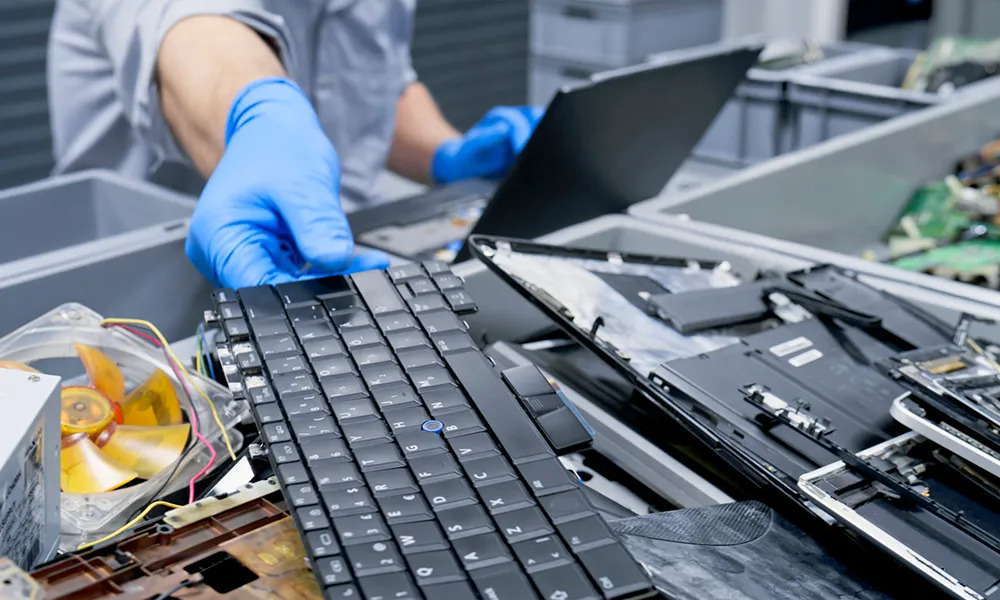
Mastering the five stages of asset management, planning and procurement, deployment and implementation, utilisation and operations, maintenance and optimisation, and disposal and retirement, provides organisations with a comprehensive framework for maximising the value of their IT investments whilst minimising risks and costs.
Each stage builds upon the previous one, creating a continuous cycle that ensures assets deliver optimal value throughout their operational lives. By implementing best practices across all stages, organisations can achieve significant cost savings, improved security, enhanced compliance, and reduced environmental impact.
The disposal stage, in particular, represents a critical opportunity to demonstrate corporate responsibility whilst recovering value from retiring assets. Through professional IT asset disposal services, organisations can ensure secure data destruction, regulatory compliance, and sustainable environmental practices.
Ready to optimise your asset management lifecycle? Start by conducting a comprehensive audit of your current assets and processes, then implement structured procedures for each stage. Remember that effective asset management is an ongoing journey that requires continuous attention and improvement. For more guidance, explore our frequently asked questions or learn more about our company and expertise in sustainable IT asset management.
Green Retech Recycling specialises in comprehensive IT asset lifecycle management with particular expertise in secure disposal and recycling services. Our certified processes ensure GDPR and WEEE compliance whilst maximising value recovery through our hardware buyback programme. Contact us today to discuss how we can support your asset management strategy across all lifecycle stages.